
 37 Magazine
Dr. Tanisha Manning Williams is a clinical chaplain, a mother, and a scholar. Despite wearing multiple hats, nothing could have prepared her for the calling she never expected. She was suddenly responsible for making decisions for a mother she barely knew after years of distance, strained connection, and unresolved pain. It tested her in ways she had never imagined and forced her to navigate the complexities of family, loyalty, and forgiveness.

Behind the Wheel & Ahead of her Past
When her mother’s health declined, Dr. T was faced with the reality of confronting a complex care system far from home. Her mother, Renee, had been displaced, mishandled, and left in a care facility thousands of miles away from her home state. In a community where the Black population made up only a small fraction, Dr. T immediately understood the weight of advocating in an unfamiliar and unaccommodating environment.
There was no guidance. No clarity. No safety net. No family support. Just confusion, negligence, and silence.
“Never in my life did I think God would soften my heart enough to guard the same woman who wounded mine. But He did. He knew the assignment before I ever agreed to it.”
Dr. T’s relationship with her mother had been complicated long before this moment. Years of silence surrounding her biological lineage. Years of unanswered questions about her grandmother and father. Years of watching her mother pour energy and loyalty into her adopted family and her youngest child’s father’s family, while her own children were left to fend for themselves emotionally.
“The final rupture came when I discovered I was not listed on my mother’s life insurance. Not because of the money, but because of the meaning. Because it confirmed what I had felt my entire life.”
Yet becoming a mother herself shifted something deep within her. It softened what had hardened over time and planted empathy where resentment once lived. Despite the black-sheep role she carried, the neglect, the lies, and the years of being misunderstood by her own family, she knew she could not leave her mother abandoned.
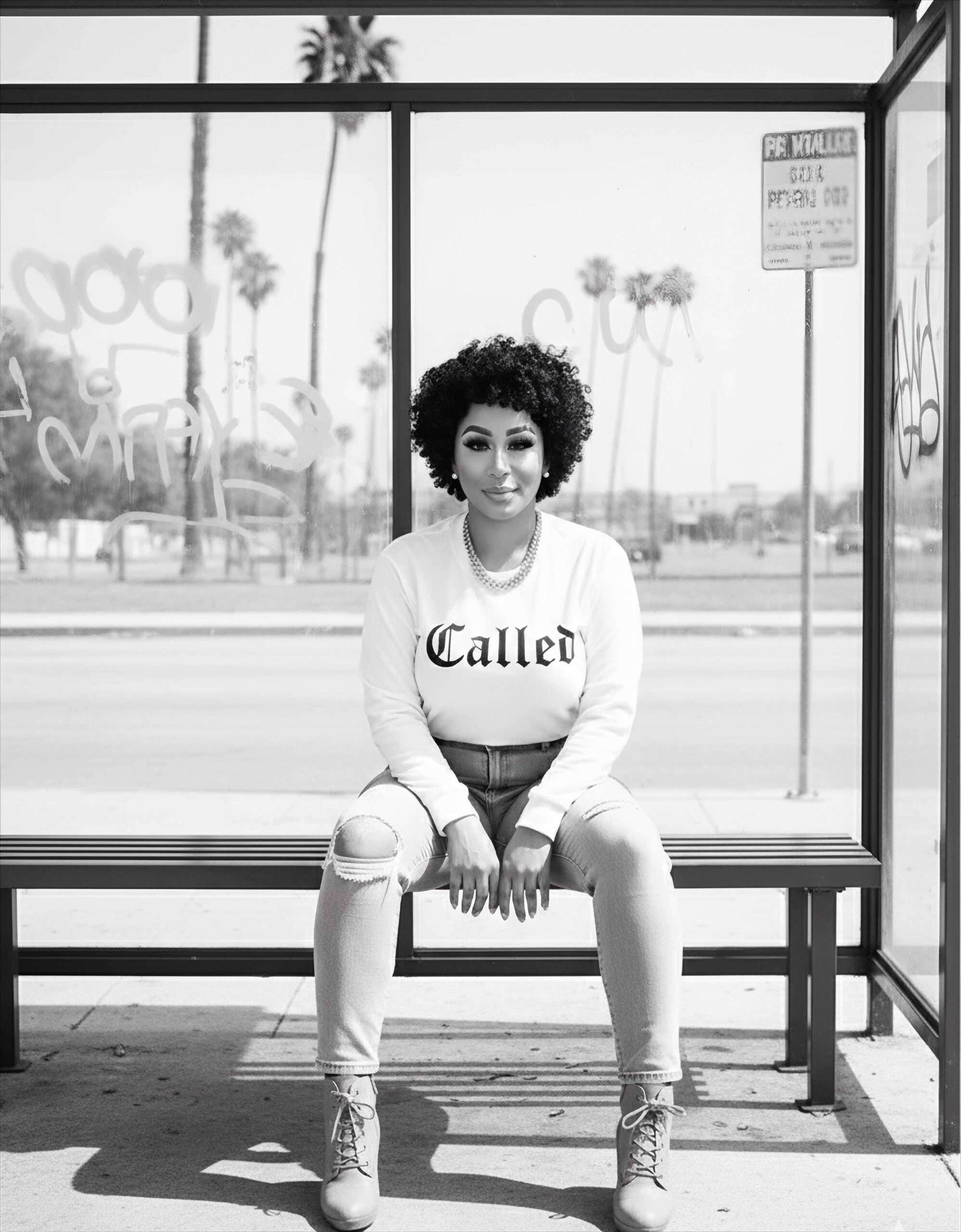
The Seat of Responsibility
When a medical emergency revealed how unsafe her mother’s condition had become, Dr. T stepped in. Not out of obligation. Not out of closeness. But because something ancient in her spirit refused to look away. The assignment was bigger than the wound.
With no real help offered, the system forced her to handle it alone. “I filed the petitions, managed the paperwork, and made sure the process was carried out correctly. I walked into the courtroom prepared, organized, and grounded.” She expected fairness. She expected clarity. She expected the truth to matter.
Instead, she encountered the quiet bias so many Black women know too well. The tone shifted. Her preparation was minimized. Her authority questioned. The experience mirrored patterns seen across healthcare, juvenile justice, and elder care, where Black voices are often dismissed until harm becomes unavoidable.
The fight extended beyond a single institution. Dr. T confronted facilities unequipped to care for patients carrying trauma alongside dementia. Microaggression surfaced. Financial transparency was resisted. Complaints were filed at local and statewide levels, only to be minimized or disregarded. Once again, a system evaluated and corrected itself while ignoring lived truth.
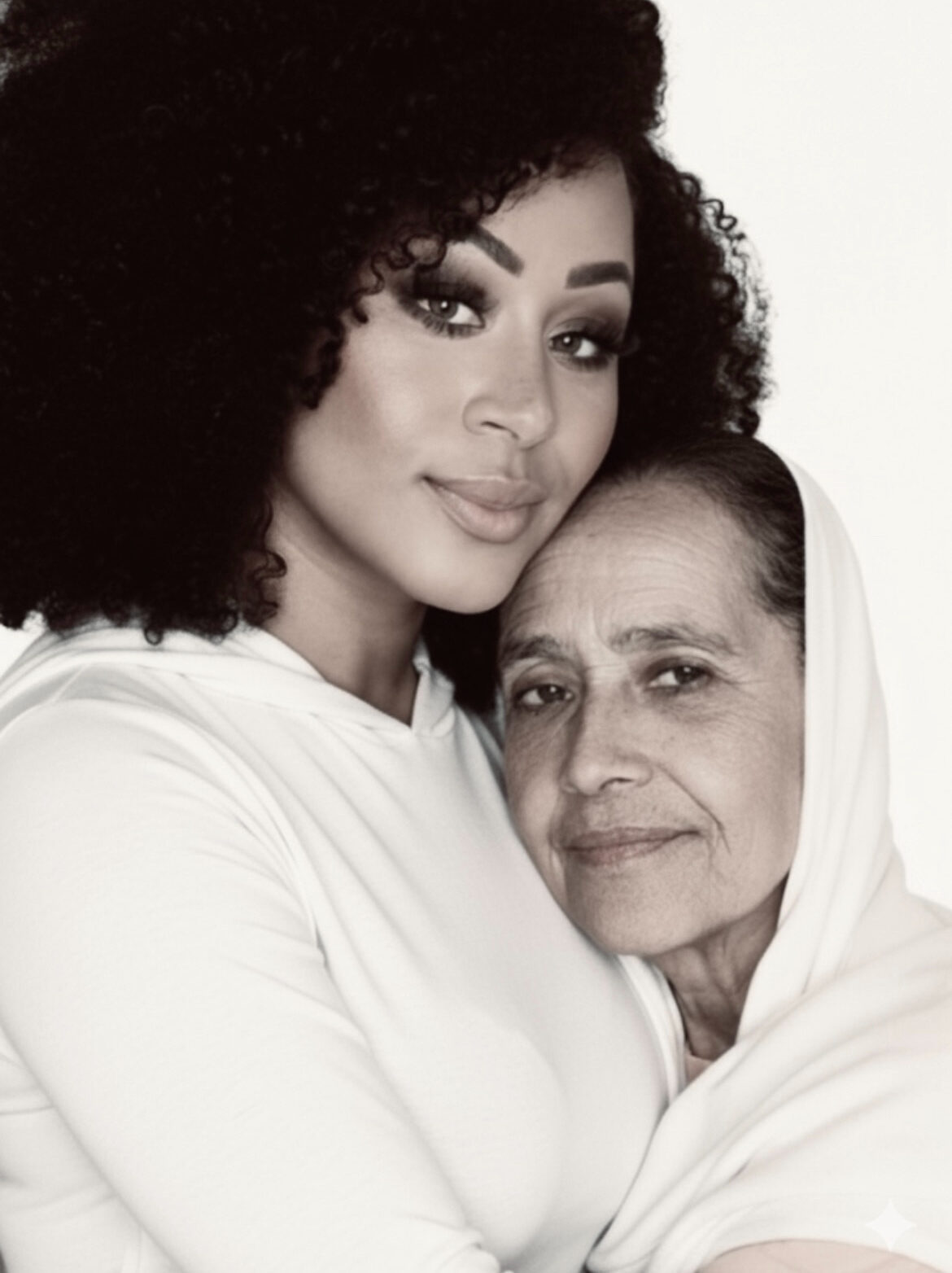
Guided by Grace, Driven by Love
“This journey did more than expose institutional failure. It opened ancestral wounds. It brought forward the silence around family history. It forced me to confront the generational abandonment, resentment, and secrecy woven into my bloodline.”
Questions about her grandmother, inheritance, and identity. What emerged was clarity. This fight was not personal. It was ancestral. She watched patterns repeat that she was determined to break. Every document filed, every phone call made, and every visit became an act of repair. She was not only advocating for her mother. She was interrupting a cycle.
From this guardian seat, Dr. T carries the mantle as her mother’s legal decision maker and spiritual caretaker. Not because the world chose her but because her ancestors whispered her into position. She holds the keys of clarity and protection. She moves with the weight of those who came before her and with the power to heal what was broken in their name.

Taking the Wheel: A Daughter’s Turn to Steer
Looking back, she has come to see her experiences through a lens shaped by both struggle and growth. The failures she encountered—whether institutional, relational, or generational—have informed the way she understands faith, responsibility, and resilience today. They taught her where to place her trust and where to set boundaries. She learned that survival alone is not the measure of a life, but how one responds to what has been lost or withheld. It is this clarity and hard-earned perspective that she brings to the lessons she now shares with others.
“This journey showed me that systems fail. People fail. Families fail. Sometimes even mothers fail. But God does not. Assignment does not. Purpose does not. So to anyone who has fought an oppressive system, battled abandonment, stood alone when it mattered most, or carried responsibilities that were never poured into you in return, know this. There is healing, there is restoration. There is a strength inside you that did not begin with you. It was passed down through generations that survived more than you will ever know.”
And now, in the driver’s seat of her own life, Dr. T chooses to rise, to protect what matters, and to heal the wounds that came before her. “I pray your spiritual inheritance finds you. I pray you rise into the power your lineage left waiting for you. I pray you remember that you were chosen for your path long before the world tried to break you. May God bless you. May God keep you. And may God remind you that you were never fighting alone.”
- Editor-In-Chief: Jamee Beth Livingston
- Publication: 37 Magazine
- Publisher: Livingston Publishing