 37 Magazine
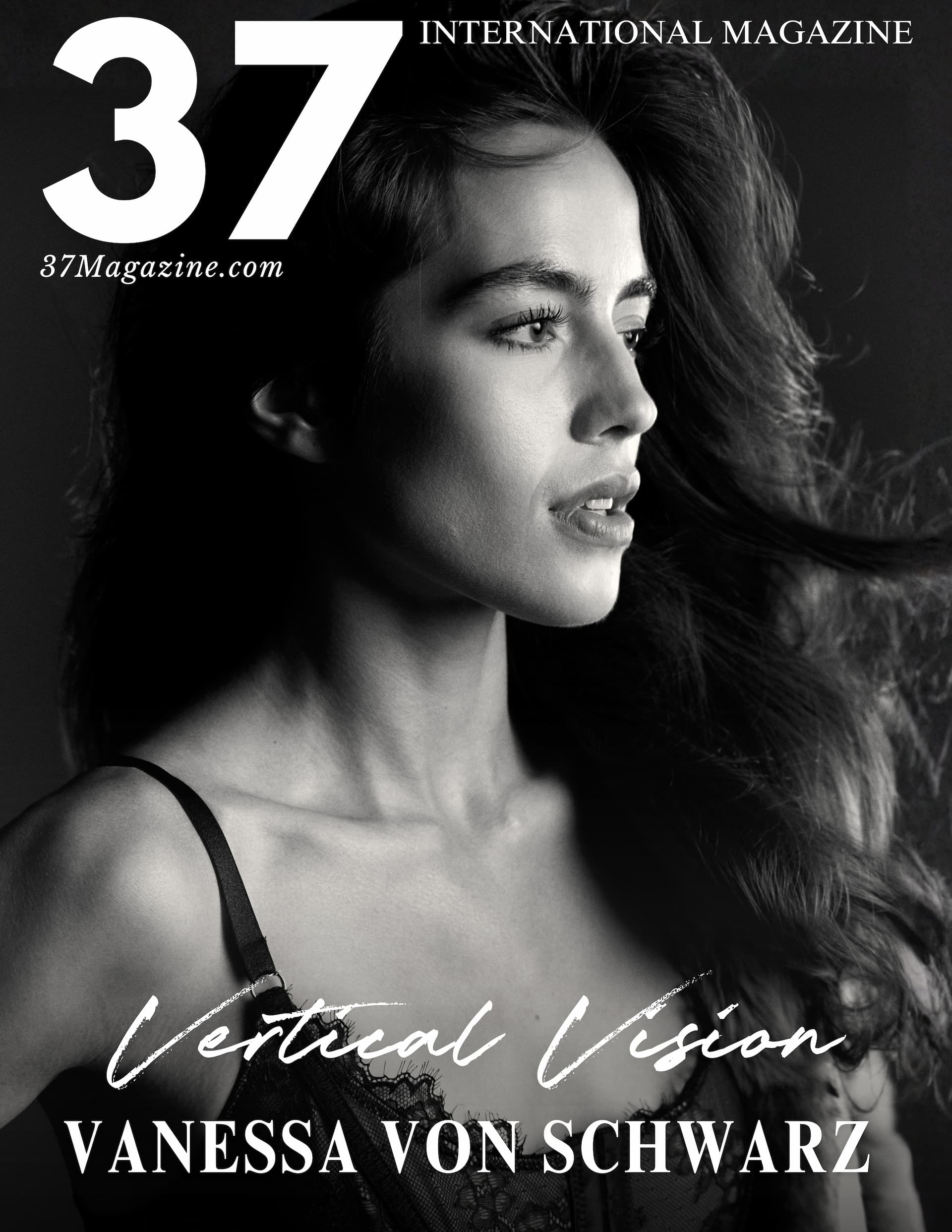
With more than 50 mobile-first productions behind her, Vanessa von Schwarz has grown alongside one of entertainment’s fastest-changing formats as one of its most recognizable faces. But while vertical drama has given her a place to build her career, she is looking beyond the roles themselves, with ambitions that reach into filmmaking, development and producing.
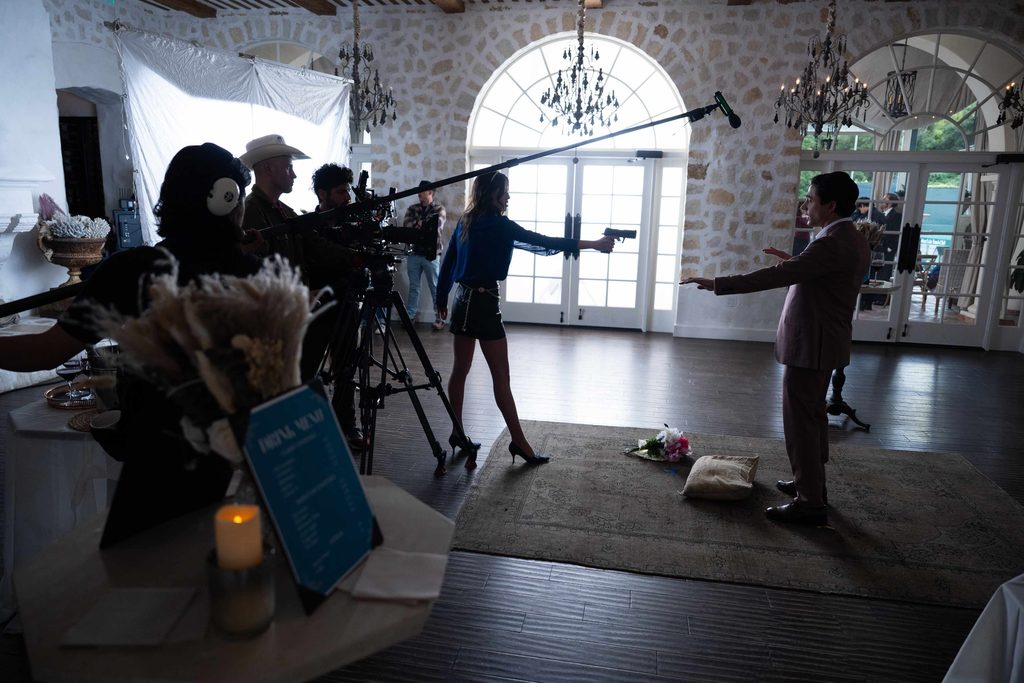
The pace of a vertical drama set can be difficult to appreciate until you understand just how much has to happen in a single day. An actress might arrive to film a wedding scene, move into a confrontation with a romantic rival, and find herself running from danger before the afternoon is over. There is little time to settle into a character or spend hours rehearsing a scene. The camera is ready, the schedule is moving, and the next moment in the story is already waiting.
For Vanessa von Schwarz, this has become familiar territory.
She has spent the past few years working in an entertainment format that has expanded almost as quickly as the audience watching it. Her credits include His Love Was a Lie, Cheer Queen Returns to Slay, Forbidden Eyes in the Dark and Your Husband Is Mine on Paramount+. She has appeared in more than fifty vertical dramas, taking on roles that demand quick emotional shifts, physical commitment and an understanding of how to make a character register within a very different kind of screen experience.
Her work in Your Husband Is Mine on Paramount+ also points to the growing reach of a genre that was once easy for traditional entertainment circles to dismiss. Yet the more interesting part of Vanessa’s story is not simply how many productions she has completed. It is that she entered the format while it was still finding its footing. She has watched the production process change, learned what audiences respond to, and developed a perspective that extends beyond the acting work. She is now thinking about what gets made, who gets to tell those stories and how she can become more involved in bringing them to the screen.
That distinction matters. Vanessa is building a career within an emerging industry, but she does not appear interested in being defined by one format.
Learning the rhythm of a different kind of storytelling
As vertical dramas began appearing more regularly in casting notices, Vanessa initially viewed them as another opportunity to work, rather than the beginning of what would become a significant shift in entertainment.
Her first booking was a small role with only a few lines, but the experience introduced her to a production environment unlike anything she had encountered before. The sets, costumes and visual choices were distinct from those of conventional television. Even the camera setup was different, with every creative and technical decision designed around the vertical 9:16 format.
At the time, she had little reason to think this emerging format would become such a significant part of her acting career. The productions were distributed through dedicated apps, some requiring viewers to download a platform and pay to continue watching. At the time, that seemed like a considerable obstacle to building an audience. It was difficult to know whether audiences would embrace this new way of consuming scripted entertainment or whether it would remain a niche corner of the industry.
Then she began noticing the response.
“People were following the stories, returning to episodes and developing strong opinions about the characters. The audience engagement was different from what I had experienced elsewhere.” What began as an occasional booking became a steady stream of work. Within months of her first supporting appearance, she had secured a lead role.
Looking back, the timing gave her a particular advantage. She was learning the format while the people making it were learning too. There was no established rulebook for how a vertical series should be filmed or how actors should approach the material. The production teams were experimenting with a new visual language, and performers had to adjust alongside them.
That meant learning to trust instinct.
The pace of vertical drama production is considerably different from that of conventional television, something Vanessa has come to understand firsthand. Productions move quickly, with little time to spare. An actor may be expected to shoot approximately 20 to 25 pages of script in a single day, with an entire series completed in just five to seven days. Scenes are often filmed out of sequence, and actors may have only two or three takes before the crew moves on.
Unlike conventional television, where actors may have more time for rehearsals, discussions with directors and multiple takes to explore a scene, vertical dramas operate under considerably tighter conditions, demanding a different kind of preparation and adaptability.
The practical consequences are significant. An actor can spend the morning portraying a character’s happiest moment, only to film a betrayal or a physical confrontation shortly afterward. The emotional progression that audiences experience over several episodes must be reconstructed in the space of a working day. “You might be filming a wedding, a breakup and a kidnapping within the same schedule. Sometimes the shift happens before lunch,” she explains.
That pace requires a particular kind of discipline. Without the luxury of lengthy rehearsals or the gradual emotional buildup that can come with traditional productions, actors must quickly find their footing within a scene and understand what drives their characters. “You have to understand what the character wants, identify what has changed and make a convincing choice almost immediately.”
It is a skill that can easily be underestimated when the finished production is viewed on a phone. The short episodes and heightened storylines may make the format look simple, but the production process is another matter. Actors must convey recognizable emotions and build believable characters within compressed scenes, often while navigating physical demands and constantly changing circumstances. Audiences see the finished moment, not the limited time and preparation that went into creating it.
For Vanessa, working in this format has reshaped the way she approaches a role. A scene she has carefully prepared the night before may be shortened, rearranged or approached differently once she arrives on set. Knowing when to trust her preparation and when to let go of a planned approach has become an important part of the process.
Over time, that flexibility has become one of the most valuable skills she has developed through her work in vertical productions.
What happens behind the camera
The rapid production schedule has also raised questions about working conditions, particularly in an industry that developed faster than some of its production practices.
Vanessa has been candid about the early challenges. In her PEOPLE interview, she recalled a period when intimacy coordinators and stunt coordinators were often absent from productions. Given how many vertical dramas rely on romantic conflict, physical confrontations and dramatic action, that absence could create genuine risks.
She described an early experience in which a car was driven toward her at approximately 50 miles per hour before braking just short of her position.
It is the kind of detail that complicates the perception of these productions as relatively easy entertainment. A scene that lasts seconds on a screen can require considerable physical coordination, and the pressure to complete a project quickly should never come at the expense of an actor’s safety.
The industry has since made progress, according to Vanessa, as production teams have become more familiar with the demands of the format and the need for safer working practices. That development will become increasingly important as larger entertainment companies take an interest in vertical content.
Growth brings money and visibility, but it also brings expectations. Productions that want to compete for experienced actors and reach larger audiences will have to pay attention to the working environment behind the finished product.
Beyond the demands of the work itself, Vanessa also raises questions about compensation and the differences between what male and female performers are paid. In stories where women frequently take on the central roles and carry much of the emotional weight, she believes their contributions should be reflected more fairly in how production budgets are allocated.
It is a difficult subject in an industry where individual budgets vary and negotiating power can differ considerably from one production to another. Still, her observation raises a fair question about how performers are valued in a genre whose stories often revolve around women’s experiences.
Many vertical dramas place female characters at the center of betrayal, romance, revenge and family conflict. They are often the characters audiences follow, the ones whose decisions drive the story and whose emotional reactions keep viewers watching. If women are carrying so much of that storytelling responsibility, their compensation deserves closer attention.
Vanessa speaks from experience rather than observation alone. Having worked across numerous productions, she has seen the opportunities this emerging format offers performers, but also recognizes that its rapid growth does not mean every aspect of the business is evolving at the same pace. She is increasingly willing to speak openly about the areas where she believes change is needed.
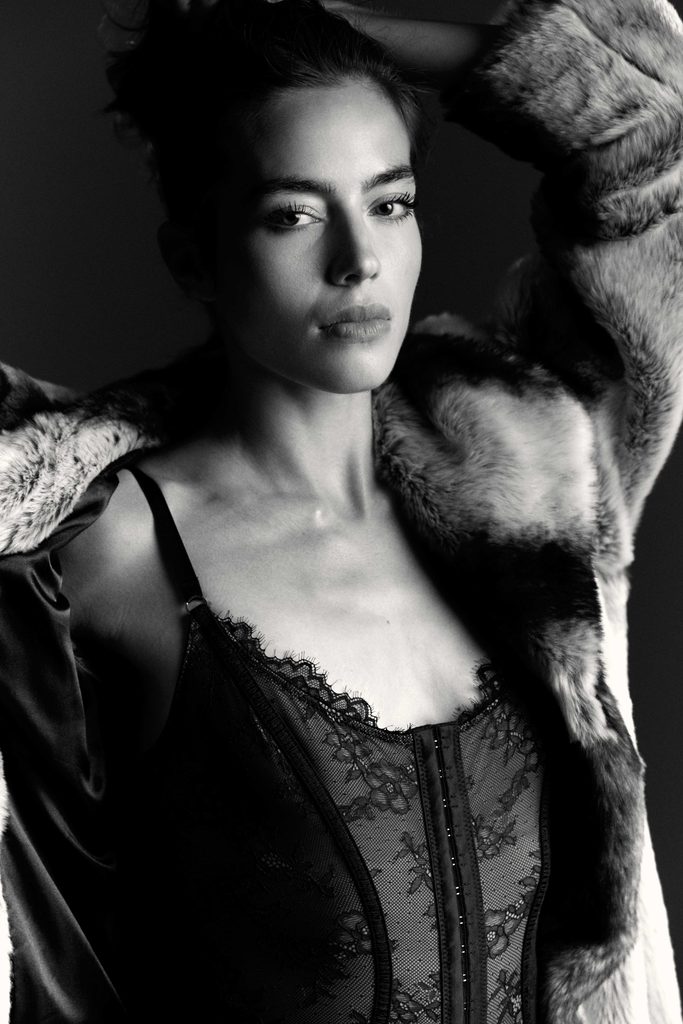
The audience is closer than it looks
Some Vanessa’s projects have reached audiences well beyond their original platforms, reflecting the growing reach of vertical entertainment.
Her work in Your Husband Is Mine has also found a wider distribution audience, with the title available on Paramount+, giving the production a presence on a platform more traditionally associated with television and film.
As vertical dramas gain visibility, the relationship between performers and audiences is evolving as well. Viewers may watch a series in short installments throughout the day, return to favourite episodes and follow actors across multiple productions. Over time, familiar performers become part of their regular viewing habits.
For Vanessa, that connection is evident in the responses she receives from viewers. She has spoken about receiving messages from people upset by a character’s decisions or disappointed by the way a particular storyline ends. Audiences become invested in these characters, and they want the actors to know it.
At VertiCon in Los Angeles in August 2026, she also had the opportunity to meet viewers in person. “Some have told me that they had stopped watching conventional television and were now watching several vertical series each day.”
For an actor, that kind of response offers a direct connection to the audience and an understanding of which characters and storylines leave a lasting impression. It also speaks to the growing place vertical entertainment is carving out within the wider industry.
The numbers associated with some of her projects are substantial, reflecting an audience that is increasingly embracing stories created specifically for mobile viewing. These productions are demonstrating that a series does not need to follow the traditional television model to attract a significant following.
The format also comes with its own storytelling demands. Viewers are often watching in short bursts, whether during a commute, a lunch break or a few spare moments throughout the day. Stories must establish their conflicts quickly, introduce compelling characters and give audiences a reason to keep watching.
That doesn’t mean the emotional content has to be shallow.
The plots may be heightened, sometimes deliberately outrageous, but the feelings underneath them are recognizable. Jealousy, heartbreak, ambition, betrayal and the desire to be understood are not exclusive to any particular audience or generation. The storytelling may be compressed, but the emotional response can be genuine.
That distinction is important to Vanessa’s understanding of the format. While the delivery may be different, the foundation remains the same: creating characters audiences care about and stories they want to follow.
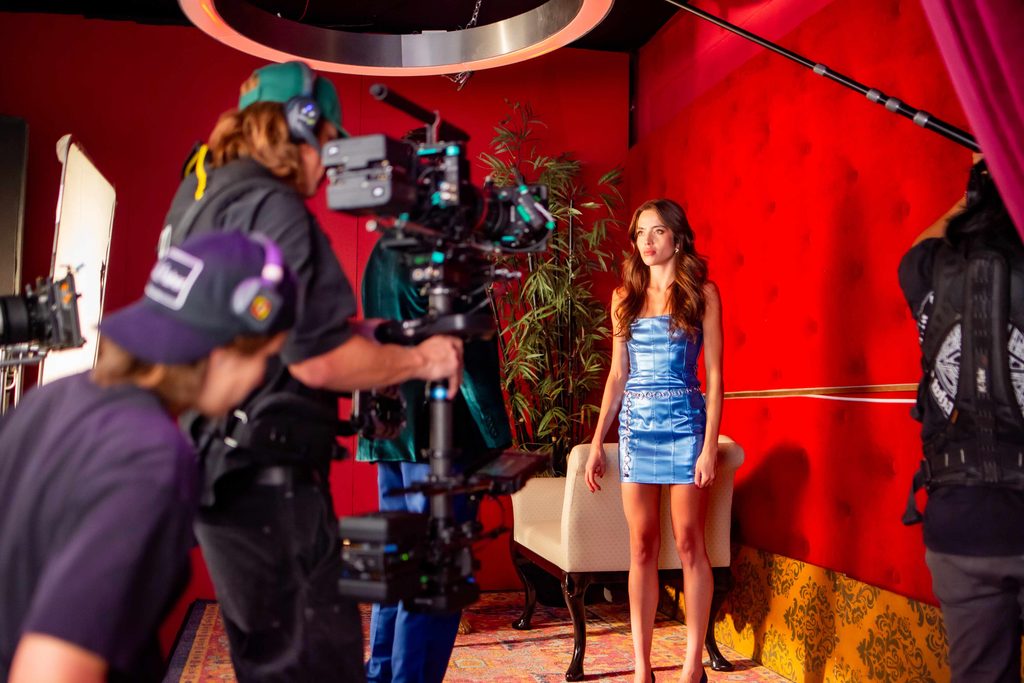
Beyond the roles audiences already know
There is another side to Vanessa’s career that becomes more apparent when looking beyond her acting credits. Her interest in filmmaking extends well beyond performing, and her background in film studies has given her an appreciation for the creative and practical decisions that shape a production. She is now working toward developing a woman-led vertical production, an ambition that would allow her to take a more active role in the stories being brought to the screen.
Born in Jeddah, Saudi Arabia, to Mexican and German parents, she grew up in Los Angeles after an internationally influenced upbringing. Her early interests included piano, ballet and competitive gymnastics, experiences that helped shape her interest in performance. She began studying acting professionally in 2019, while also developing an understanding of directing, writing and production.
She has watched the vertical industry develop since its early stages and believes that experience has given her a useful understanding of what audiences respond to. She has seen which characters attract attention, which storylines generate discussion and what keeps viewers coming back. That knowledge is something she wants to bring into the development process rather than simply applying it once a script reaches the set.
Producing offers her an opportunity to influence the stories being told, the characters being developed and the creative decisions that shape a project. It also creates room to address some of the issues she has already identified as an actress.
Vanessa sees a future in which performers have a greater role in shaping the material they work on. Rather than waiting for opportunities to arrive, she wants to participate in creating them. It is an ambition that makes sense for someone who has spent several years watching an industry take shape from the inside.
For Vanessa, the idea of a woman-led production goes beyond simply placing female characters at the center of a story. It is also about having women involved in the creative decisions, from developing the concept and shaping the characters to influencing the direction and overall vision of a project. In a format where women so often drive the central storylines, she sees an opportunity for them to have a stronger presence behind the camera as well.
Vertical dramas have created new opportunities for independent filmmakers and emerging creative voices. Their relatively streamlined production models can open doors for projects that might otherwise struggle to find a place within traditional television. For Vanessa, that presents an opportunity to bring together her experience as an actress, her understanding of filmmaking and her interest in creating stories with a distinct female perspective.
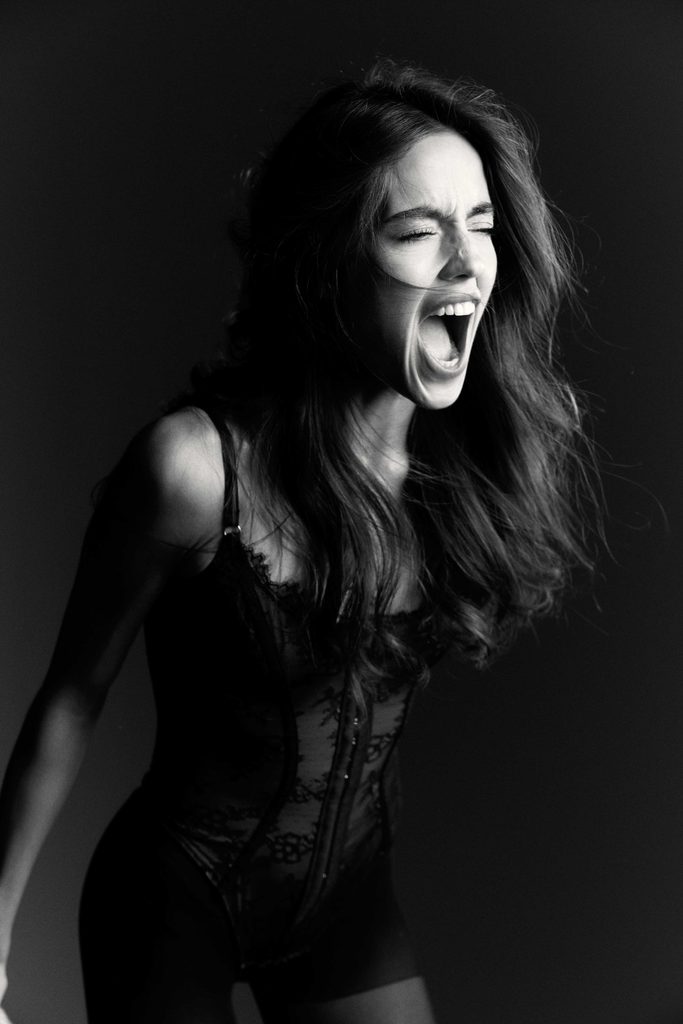
The women she wants to bring to the screen
For Vanessa, one of the most interesting opportunities for growth within the genre lies in the way female characters are written.
Her own experiences with casting have not always been straightforward. She has spoken about receiving feedback that she was not considered tough or strong enough for certain leading roles. Instead, she was often directed toward villain characters.
There is nothing inherently wrong with playing a villain. A well-developed antagonist can be among the most compelling characters in any production. The issue, as Vanessa sees it, is when an actor repeatedly finds herself being considered for the same type of role because of limited expectations about what a female lead should look or behave like. It is a perspective she hopes to challenge.
She wants to see women given greater agency in their own stories, rather than simply reacting to the circumstances or decisions of others. Female characters can be strong without being defined by toughness alone, and complicated without automatically being cast as villains.
It is an important distinction for a genre that has built much of its popularity around dramatic twists, heightened emotions and complicated relationships. Those elements are part of the appeal, but they need not come at the expense of meaningful character development. Women can be ambitious, vulnerable, intelligent, difficult and occasionally flawed while remaining at the center of their own stories.
The opportunity is to give audiences more than a succession of reactions. It is to create female characters whose decisions shape the narrative, influence the people around them and ultimately determine where the story goes.
Vanessa’s growing interest in producing could give her an opportunity to put some of these ideas into practice. Developing a woman-led production is an important first step, but the larger ambition is to have a meaningful influence on the creative process and the kinds of stories that reach audiences.
Her experience across numerous vertical productions gives her an understanding of both the possibilities and limitations of the format. She knows what works, what audiences respond to and where performers might benefit from greater creative opportunities. That perspective could prove particularly valuable as she begins exploring a role behind the camera.
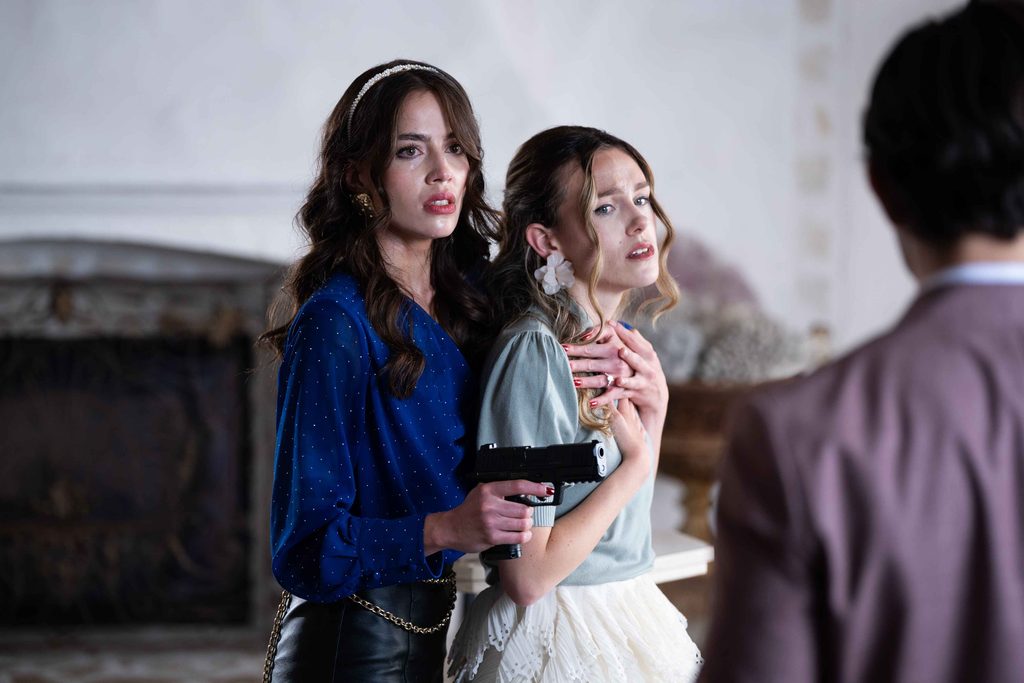
An industry still writing its own rules
The business surrounding vertical entertainment is changing quickly. What began as a relatively unfamiliar corner of digital content has developed into a substantial international market, attracting investment and attention from established entertainment companies. One thing is clear: vertical drama is no longer a format that can be dismissed as a passing social media trend.
That does not mean its future is guaranteed.
The industry still has questions to answer about production standards, compensation, distribution and the creative expectations placed on performers. The speed that makes these productions commercially attractive can also put pressure on the people responsible for making them. And as audiences grow, so does the need for stories that offer more than an initial surprise or cliffhanger.
Vanessa Von Schwarz has experienced that evolution firsthand.
She also recognizes that the arrival of larger entertainment companies could bring significant changes. Greater investment may mean improved production facilities, stronger crews and opportunities to attract experienced writers, directors and actors. At the same time, the knowledge gained by performers and filmmakers who helped establish the format should not be overlooked as the industry expands.
“Vertical drama is not simply conventional television turned sideways. Its framing, pacing and storytelling require different decisions. That understanding has come through working in the format, rather than observing it from the outside.”
It is a distinction worth remembering as more established players enter the space. For actors, vertical productions have already opened doors that might not have existed through traditional casting channels, allowing performers to work regularly, develop their screen presence and reach audiences across different markets.
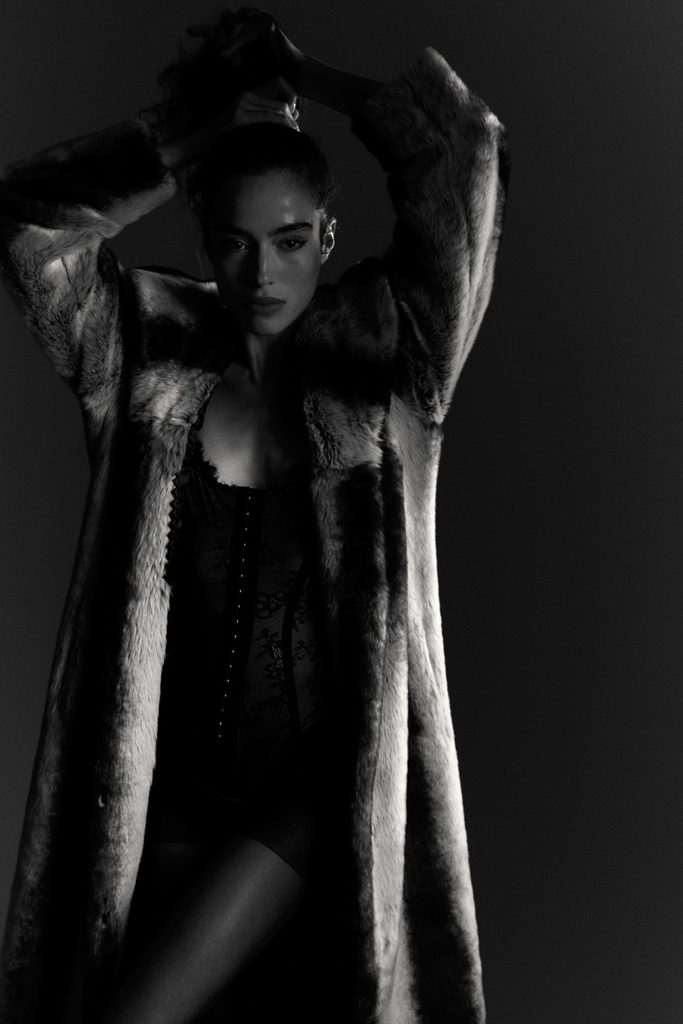
The next frame
For Vanessa, more than 50 mobile-first credits represent considerable experience in a relatively young field. But a long list of projects is only one measure of progress. What matters just as much is what an actor chooses to do with that experience.
At this stage in her career, Vanessa is looking beyond the next role. Acting remains central to her ambitions, with film and traditional television continuing to be part of the broader career she hopes to build. But producing offers another opportunity: the chance to influence a project from its earliest stages, help shape its characters and have a greater say in the stories being told.
Her next chapter is not necessarily about moving away from vertical drama. It is about building on what the format has taught her and taking that experience into new creative territory. Having entered the space when it was still unfamiliar, learned to work at its pace and built a body of work through characters that have reached audiences around the world, she is now ready to take a more active role in creating what comes next.
For Vanessa von Schwarz, the appeal of this new chapter is not simply the opportunity to take on more roles or add to an already extensive list of credits. It is the possibility of having a greater voice in the stories being told, the characters being developed and the creative decisions that bring them to life. Vertical drama may have opened the door, but she is increasingly interested in what lies beyond it. And if her next move is any indication, Vanessa is not content simply to be part of the next frame. She wants to help create it.
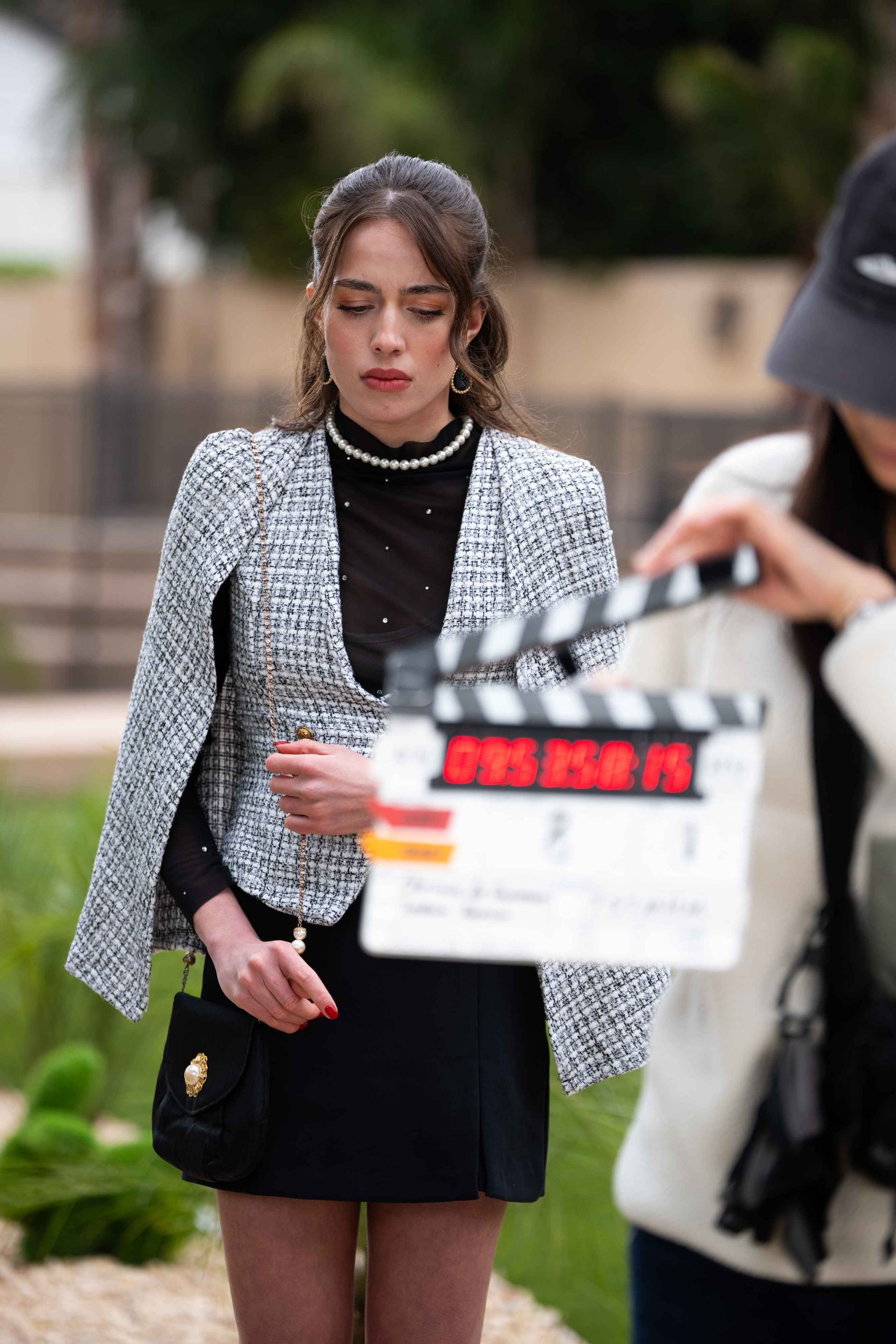
Follow Vanessa on Instagram: @vanessaschwarzz
Explore her work and learn more: vanessavonschwarz.com
- Cover Star: Vanessa von Schwarz
- Publication: 37 Magazine
- Photography: Rick Bay
- Publicist: Rick Krusky, MWPR Inc
- Writer/Editor-In-Chief: Jamie Beth Livingston
- Publisher: Livingston Publishing