 37 Magazine

A Voice Formed Between Two Hemispheres
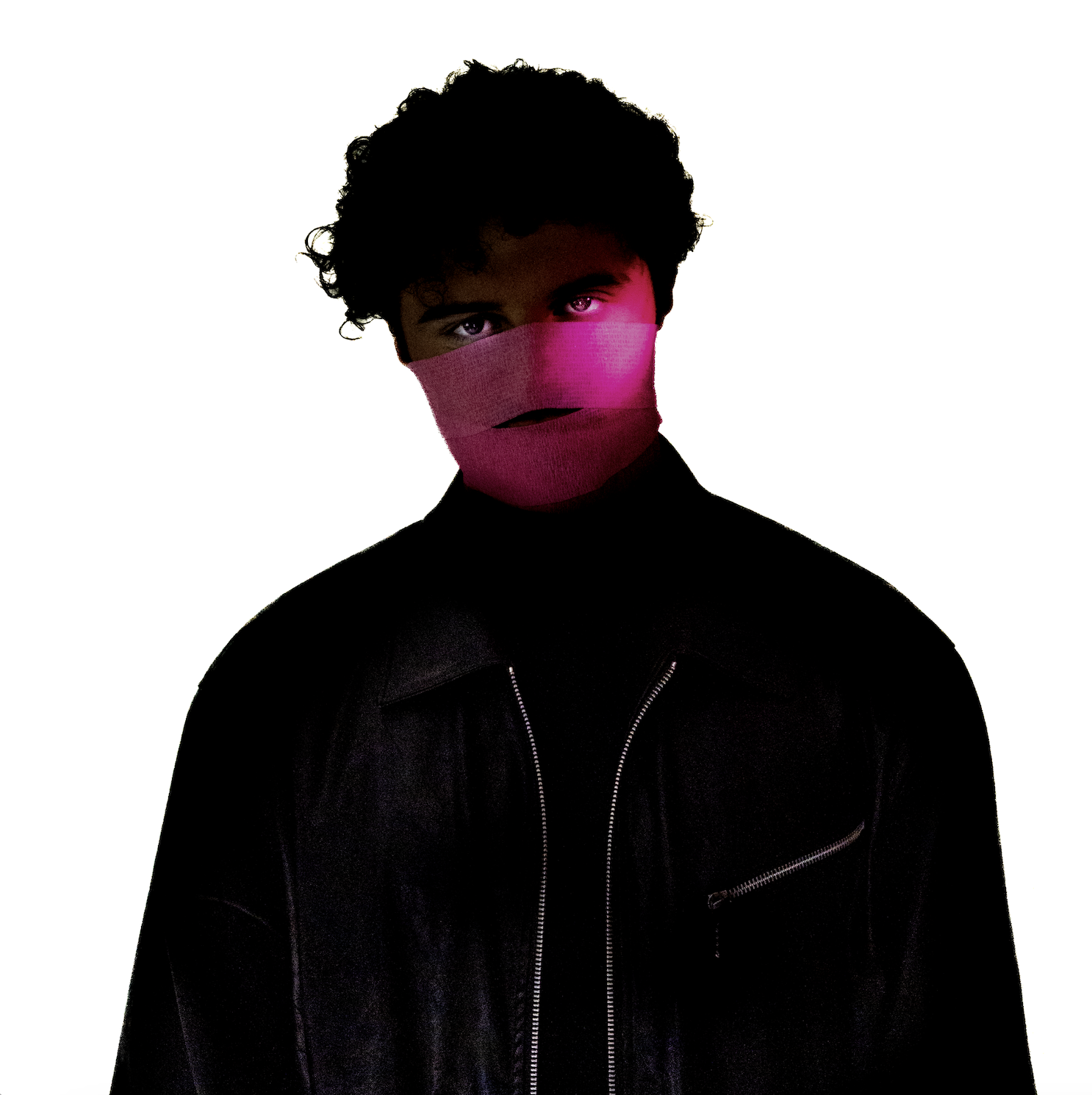
For an artist who has spent his life stretched between continents, cultures, and contradictions, it makes perfect sense that LinoXren’s second full-length album doesn’t bother pretending the world is simple. Plastic Made arrives in a moment when image races ahead of intention, when identities are assembled faster than they are understood, and when authenticity and performance keep switching masks. Rather than trying to escape that chaos, LinoXren dismantles it with a cool, unflinching precision.
Born in Marseille as Lorenzo Merlino and living between France and Los Angeles, he learned early to translate two very different worlds. France sharpened his sense of detail and quiet observation; California instilled velocity, scope, and a kind of cinematic ambition. After relocating to LA as a kid, music stopped being a hobby and became a native language, a form of expression he didn’t have to learn, only reconnect with. He took that instinct back to France for high school, then to university in Monaco, where it solidified into something closer to devotion. Now, armed with a rapidly expanding audience, his artistry stands as a fully realized creative voice, defined by a career of technical mastery, emotional precision, and a singular perspective that continues to resonate with audiences across borders and cultures.
he’s returned to Los Angeles with intention rather than luck.
But Plastic Made isn’t a “coming-of-age” record. It’s not the story of an artist finally figuring himself out. It’s a portrait of someone looking directly at the world he inhabits and refusing to blink when it turns unkind. “We live in a world where everyone’s performing, even when they swear they’re not. I’m not above it. I’m just trying to be honest about the parts we all pretend not to see.”
After the Sugar Rush: Trading Sweetness for Substance
If his album, Fairchild’s Tastes, dressed its ideas in playful fast-food metaphors and candy-colored edges to explore consumer culture, Plastic Made peels that wrapper clean off. The production is leaner, the atmosphere more fickle, and the focus sharper—reflecting the fragmented way identity is now consumed and assembled through LinoXren’s French-American perspective.
Plastic Made explores artificiality, disposability, and surface value. The hooks still hit, but what settles afterward isn’t sweetness but a bitter look at the world. Rap, hip-hop, and trap converge to give the record its teeth; the self-interrogation gives it structure. This is the work of someone who understands how quickly human beings turn into commodities, how online avatars start colonizing real life, and how the pursuit of aesthetic approval leaves a residue of quiet ache. He doesn’t preach from the outside. He writes from inside the machine, tracing the emotional toll of a world engineered to reward surface over substance.
French precision versus American scale thrums beneath every track, but Plastic Made is the first time it feels fused rather than competing. A sudden switch into French, a sampled line placed like a sideways wink. A melody that leans European rather than West Coast—each choice is deliberate, almost autobiographical. They’re fingerprints disguised as flourishes, signals that say: This is who I am, even when identity refuses to sit still.

Unwrapping Identity in a World Built to be Consumed
You can hear sonic echoes of volatile emotion, atmospheric sprawl, and boundary-pushing instincts—but the lens he filters them through is unmistakably his. On the lead single “Everybody Knows,” LinoXren leans into the tension between digital persona and authentic feeling, exploring how modern platforms replace real emotion with curated surfaces. Tracks like “My Eyes On You” and “Sorry I Missed Our Date” foreground vulnerability and relational nuance, showing how intimacy gets tangled with expectation and projection. “Think For Myself,” is a final statement about refusing to be defined solely by outside narratives. Together, these songs illustrate Plastic Made’s leap from playful exploration to an unflinching portrait of the modern self.
What makes Plastic Made resonate is its reluctance to soften its own topics: superficiality, digital personas, social media validation, and the pressure to distill yourself into something “marketable.” The songs explore the little ways people reshape themselves for approval, how vulnerability masquerades as certainty, how connection gets stitched together from half-truths and curated moments. LinoXren isn’t diagnosing culture; he’s documenting it as it unfolds around him, with none of the neatness that retrospection usually allows.
For all its conceptual weight, Plastic Made moves on instinct. It carries the urgency of someone aware that the world is evolving faster than anyone can fully process, and the determination to speak before the internet rewrites the narrative for him.
In an era obsessed with image, perfection, and neatly packaged authenticity, Plastic Made stands out precisely because it refuses to pretend. LinoXren establishes himself not just as an artist shaped by his generation but as one willing to hold a mirror to it, sharp edges, contradictions, and all.

- Publication: 37 Magazine
- Editor-In-Chief: Jamee Beth Livingston
- Publicist: Rick Krusky, MWPR Inc